Orally Disintegrating Tablets: An Overview
Orally disintegrating tablets (ODTs) are solid dosage forms that dissolve on your tongue without the need for water. They provide a convenient alternative to conventional tablets, especially for people with swallowing difficulties. You may already be familiar with some over-the-counter medications in ODT form, such as antihistamines or pain relievers. The key feature of ODTs is rapid disintegration, making drug administration simpler, faster, and more flexible in daily use.
What Are Orally Disintegrating Tablets?
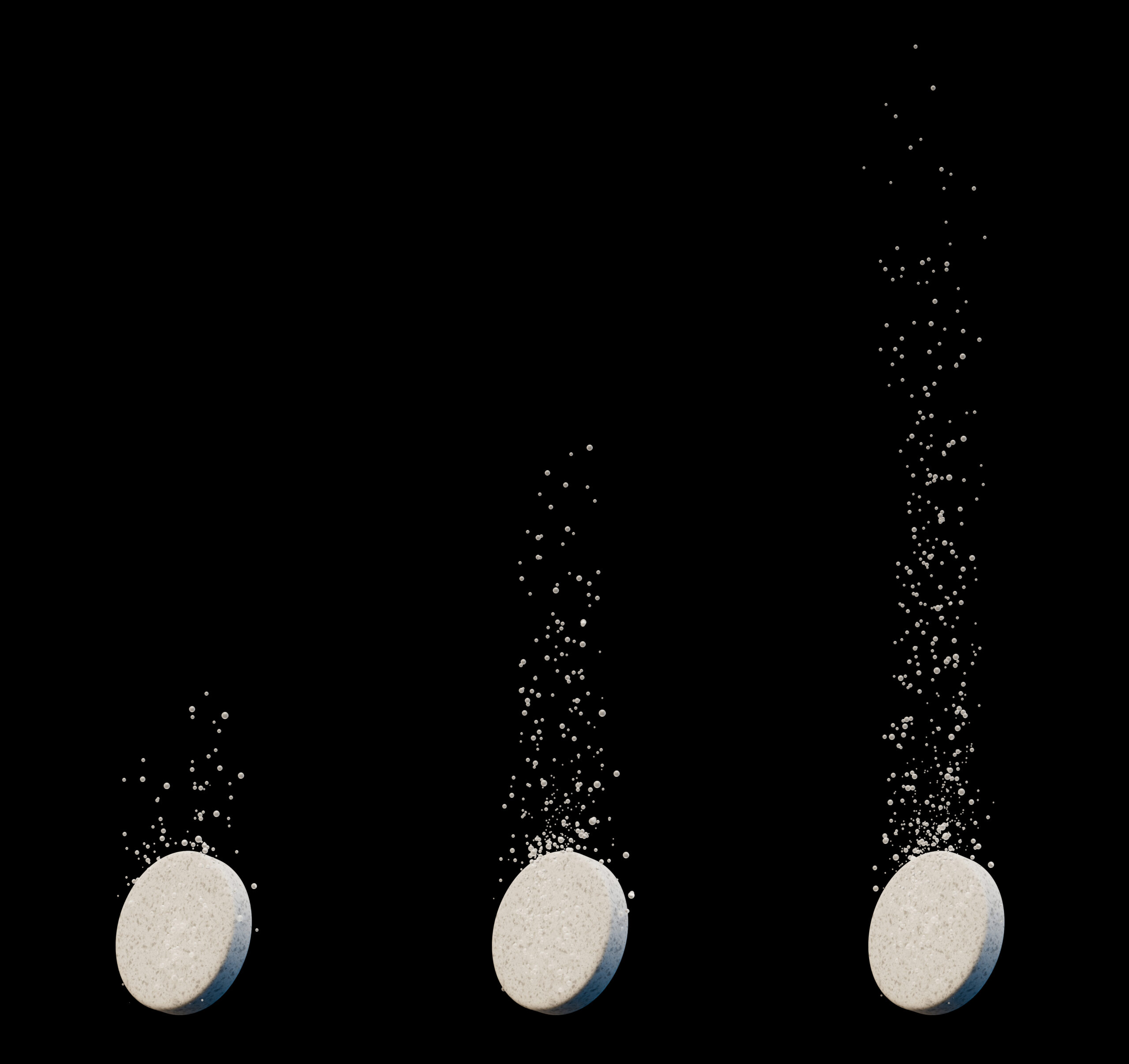
Orally disintegrating tablets are compressed tablets designed to dissolve or disintegrate rapidly in your mouth. The European Pharmacopoeia defines them as tablets that disperse within three minutes. In practice, most ODTs disintegrate in less than one minute. You place the tablet on your tongue, where it absorbs moisture and breaks down into a form that can be swallowed easily.
ODTs deliver medication either through the mucosal tissues in your mouth or through the gastrointestinal tract after swallowing. Some drugs absorb partially in the oral cavity, providing quicker onset of action. Others rely on rapid disintegration to improve convenience rather than speed.
ODTs deliver medication either through the mucosal tissues in your mouth or through the gastrointestinal tract after swallowing. Some drugs absorb partially in the oral cavity, providing quicker onset of action. Others rely on rapid disintegration to improve convenience rather than speed.
Key Features of Orally Disintegrating Tablets
- Rapid disintegration time: Typically within 30 seconds to one minute.
- No need for water: Ideal for situations where water is unavailable.
- Improved patient compliance: Especially for children, elderly individuals, and patients with dysphagia (difficulty swallowing).
- Convenient administration: Suitable for travel, emergencies, and discreet use.
How Orally Disintegrating Tablets Work.
The core of ODT technology lies in the use of super-disintegrants and porous excipients. When you place an ODT on your tongue, saliva immediately begins to break it down. Super-disintegrants like croscarmellose sodium, crospovidone, and sodium starch glycolate swell on contact with moisture. This swelling creates internal pressure that rapidly disintegrates the tablet.
Many ODT formulations also use porous materials like mannitol or microcrystalline cellulose. These provide a lightweight structure that supports quick wetting and breakdown. The drug is released into the saliva, where it is either absorbed in the mouth or swallowed with saliva into your gastrointestinal system.
Formulation Techniques for Orally Disintegrating Tablets.
Several methods exist to manufacture ODTs, each with its own advantages and trade-offs.
1. Direct Compression
This is the simplest and most common method. It uses conventional tablet-making equipment but requires specially selected excipients. Super-disintegrants and fillers like mannitol are added to ensure rapid disintegration and acceptable mouthfeel.
2. Lyophilisation (Freeze-Drying)
Freeze-dried ODTs have extremely low moisture content and highly porous structures. These tablets disintegrate in as little as 3–10 seconds. However, they are fragile and require specialised packaging to protect against moisture and physical damage.
3. Spray Drying
Spray drying produces particles with controlled size and porosity. This technique helps formulate ODTs with uniform drug content and improved dissolution characteristics.
4. Sublimation
In sublimation, volatile ingredients are removed from the tablet after it is formed, creating pores within the structure. This enhances disintegration speed but adds complexity to manufacturing.
5. Moulding
This method involves preparing a paste or solution that is moulded into tablets and dried. Moulded ODTs often have a smoother surface and better taste-masking options.
6. 3D Printing
Emerging technologies like 3D printing enable the precise control of tablet shape, porosity, and drug distribution. This technique is still developing but promises personalised dosage forms in the future.
Quality Control Tests for ODTs
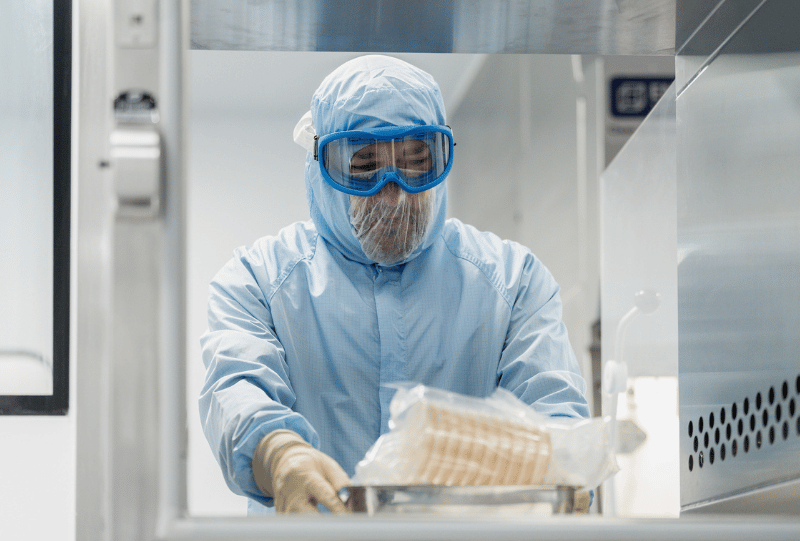
- Disintegration test: Ensures tablets break down within the specified time.
- Hardness test: Measures mechanical strength.
- Friability test: Assesses tablet durability under mechanical stress.
- Uniformity of weight: Ensures consistency from tablet to tablet.
- Drug content uniformity: Confirms even distribution of active ingredients.
- Stability testing: Checks resistance to moisture, heat, and other storage conditions.
Conclusion
Orally disintegrating tablets represent a practical solution for patients who need easier medication administration. They combine rapid disintegration, convenience, and patient compliance with flexibility for pharmaceutical developers. While challenges such as moisture sensitivity and dose limitations exist, ongoing advances in formulation and manufacturing techniques continue to improve their performance.
You can expect ODTs to play a growing role in healthcare as both consumers and professionals prioritise ease of use and patient-centric drug delivery systems. Whether you are considering them for personal use or as part of a healthcare strategy, orally disintegrating tablets provide a versatile and effective option.
Let's work together
How can we help you?
Download our Brochure.
If you’re looking to work with a CDMO that can support your product from pre-clinical development to market, then we’re here to help.
Download our brochure to learn more about our capabilities.