Sterile fill‑finish has always occupied a unique and often underestimated place in the development journey of biologics, vaccines and advanced therapeutics. For early‑stage biotechs, moving into sterile fill-finish is often the moment where years of discovery and preclinical work crystallise into a product that can be placed into a vial, syringe or cartridge and administered to a human for the first time. Yet the process is also one of the most complex, highly regulated and resource‑intensive steps in the path to clinic. Understanding what is involved, and what can make or break a sterile programme, is essential for any biotech.
Sterile manufacturing has undergone significant technological evolution in the past decade. Many of these products present unique challenges for fill‑finish operations, including low‑volume batches, short stability windows and high susceptibility to contamination or temperature excursions. As a result, the expectations placed on sterile manufacturing partners have grown, not only in terms of compliance but in operational flexibility and scientific expertise.
Biotechs navigating this transition for the first time often find themselves contending with a steep learning curve. Therefore, making an informed choice around CDMO selection is essential to ensure the project aligns with the CDMO capabilities.
Biotech Sterile Fill-Finish Challenges
One of the first realities to grasp is that sterile operations sit under an intense regulatory spotlight. The requirements laid out in EU GMP Annex 1, along with MHRA guidance, shape every aspect of facility design, environmental control and operator behaviour. The introduction of the updated Annex 1 has further solidified the need for contamination control strategies. There is a need for CC strategies that are holistic rather than procedural, embedding risk mitigation into every step. The selected fill-finish partner must demonstrate not only compliance, but a clear, evidence‑based control philosophy. For biotechs, Annex-1 ensures the highest level of quality and reliability of the final product.
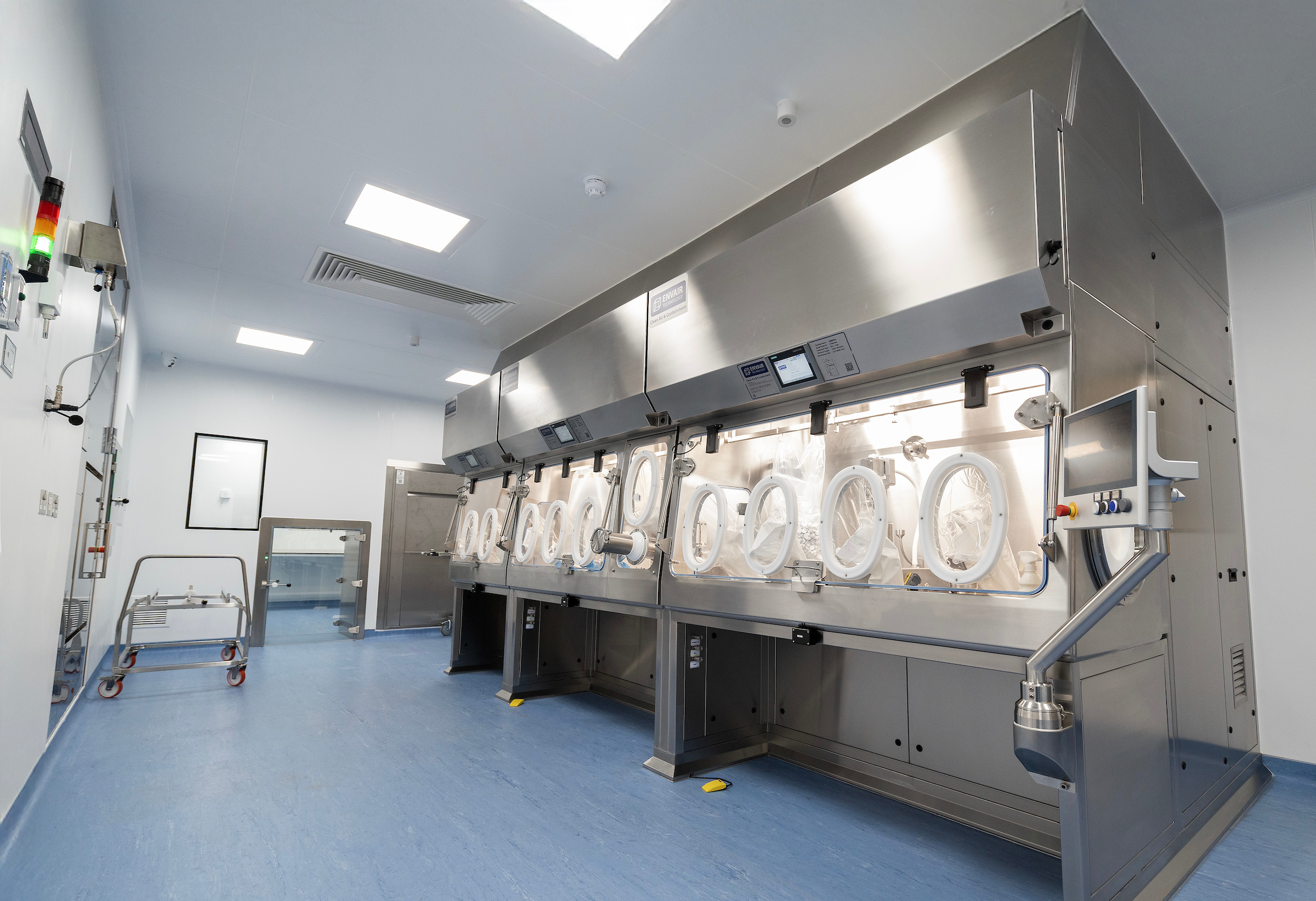
At the same time, regulatory scrutiny aligns closely with expectations around data integrity and process traceability. Even at early clinical stages, authorities expect manufacturers to be able to justify decisions, demonstrate process consistency and record every critical parameter with precision. For small biotech teams operating with lean resources, this can come as a surprise.
For biotechs, the availability of sterile manufacturing space in the UK is extremely scarce. In fact, Upperton is one of the only facilities in the UK to be fully aligned with Annex-1 guidelines.
The Global Sterile Facility Shortage
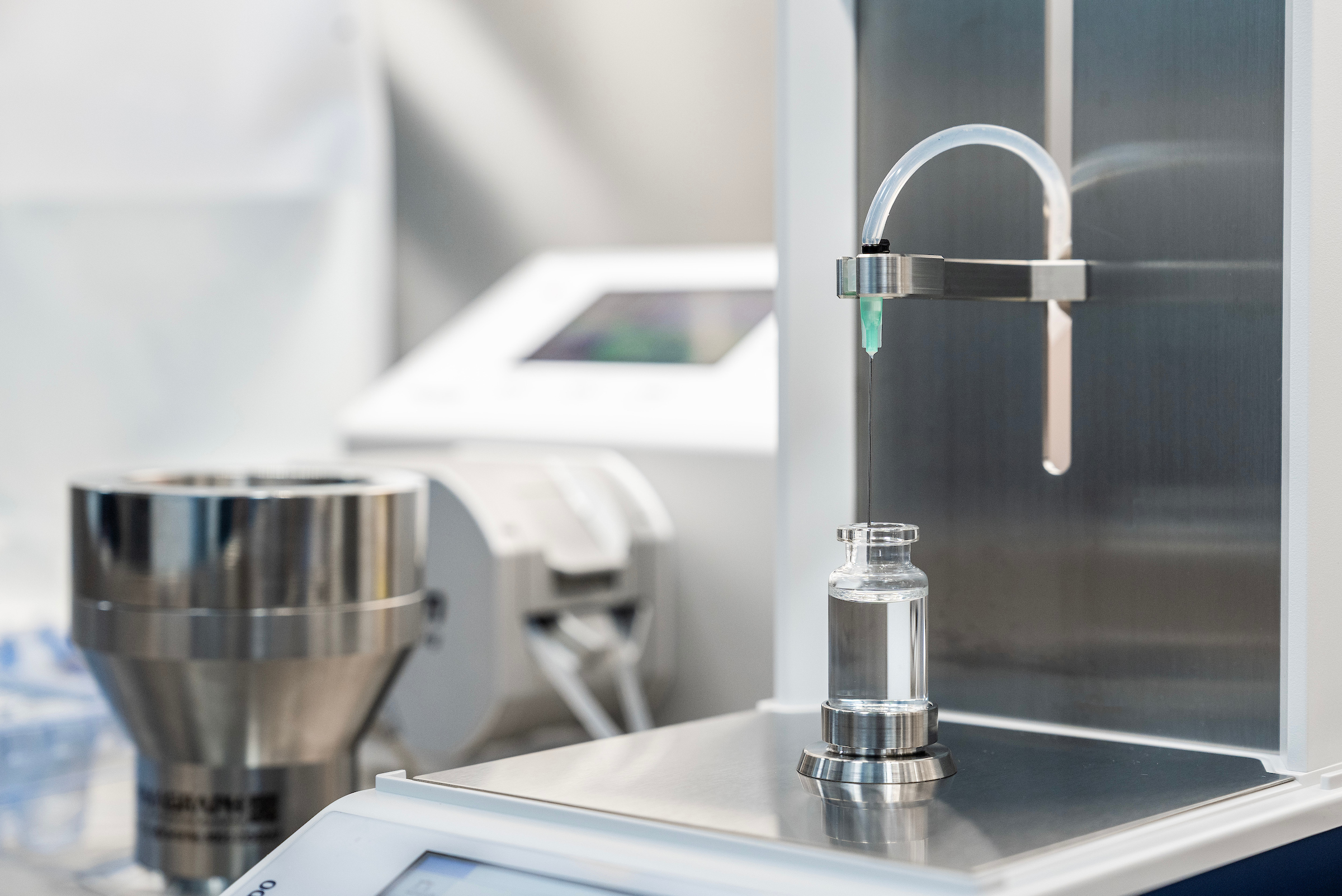
Another aspect to consider is that capacity and timelines represent a crucial area where sterile manufacturing diverges from conventional expectations. Even with increased global investment in sterile facilities, available capacity for small, early‑stage batches remains stretched. Biotechs may encounter longer lead times than anticipated for engineering runs, media fills or GMP slots. This is especially for programmes requiring high levels of operator intervention or custom configuration. The pressure is even greater for liquid products with tight stability profiles, where coordination between formulation development, analytical readiness and fill‑finish scheduling must be seamlessly aligned. Understanding these constraints early helps avoid programme bottlenecks that can add months to development timelines.
A related consideration is scalability. Even if initial fills are small, early decisions can have long‑term implications. The choice of container type, for instance, can affect not only fill‑finish operations but downstream compatibility with devices, cold‑chain logistics and commercial packaging. Similarly, selecting a niche component may provide initial advantages but introduce constraints when scaling up or transferring to a second facility. Thinking strategically about the choice of CDMO, whether they provide an end-to-end service, or operate on one-site, can prevent costly redesigns and give biotech teams more flexibility as their programmes progress.
Sterile Fill-Finish and The Growing Demand for Space
The growing number of advanced sterile facilities coming online in 2026 and beyond reflects the sector’s increasing recognition of these needs. New campuses tend to incorporate isolator‑based filling lines, advanced material transfer technologies, integrated visual inspection and automated storage systems designed to support both clinical and commercial readiness. For biotechs evaluating these newer facilities, it can be helpful to review how the design aligns with the unique challenges of their product type.
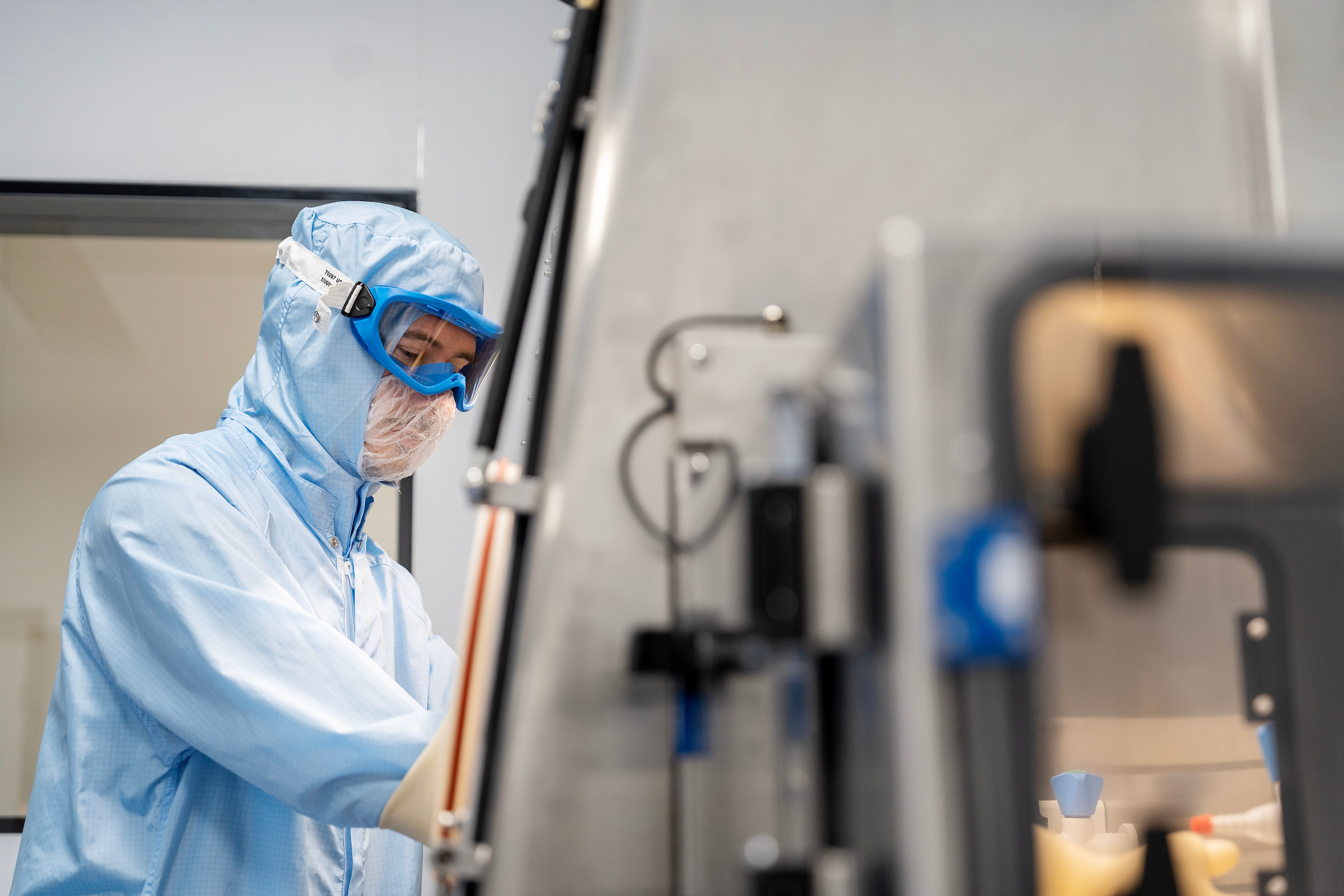
As the ecosystem of sterile manufacturers expands, particularly with next‑generation facilities coming online from 2026 onwards, biotechs have an opportunity to choose partners that combine modern technology with deep sterile‑processing expertise. Those choices will shape not just the success of the initial fill but the resilience, scalability and scientific integrity of the programme long into its future.
“At Upperton, we are supporting biotechs through the launch of our state‑of‑the‑art sterile fill‑finish facility in Q2 2026, a purpose‑built investment designed to fully comply with the latest Annex 1 requirements. This expansion underscores our long‑standing commitment to quality, regulatory excellence and scientific rigour, while strengthening the end‑to‑end development and manufacturing capabilities we provide to our partners.”
– Richard Johnson, Chief Scientific Officer.
Additional Resources
How to Evaluate CDMO Communication Before You Commit: A Framework for Biotechs
Communication becomes even more critical in today’s regulatory environment. The revision of Annex 1 has tightened sterile manufacturing guidelines, and long lead times make small batch production for early-phase trials harder to secure.
Upperton’s science-led, responsive approach helps clients navigate these complexities.
How to Secure a Successful Outsourcing Agreement
A Contract Development and Manufacturing Organisation (CDMO) contract is a formal agreement between a pharmaceutical company and a CDMO. This contract outlines the terms under which the CDMO will provide services such as drug development, manufacturing, and related support. Establishing a clear and comprehensive CDMO contract is essential for both parties to ensure mutual understanding and successful collaboration.
CDMO Services: Enhancing Drug Development and Manufacturing Efficiency
A Contract Development and Manufacturing organisation (CDMO) provides comprehensive services to pharmaceutical and biotechnology sectors. These services encompass the entire lifecycle of drug development and manufacturing, from initial research through to commercial production. By partnering with a CDMO, you can leverage their expertise and infrastructure, allowing you to focus on your core competencies.
